
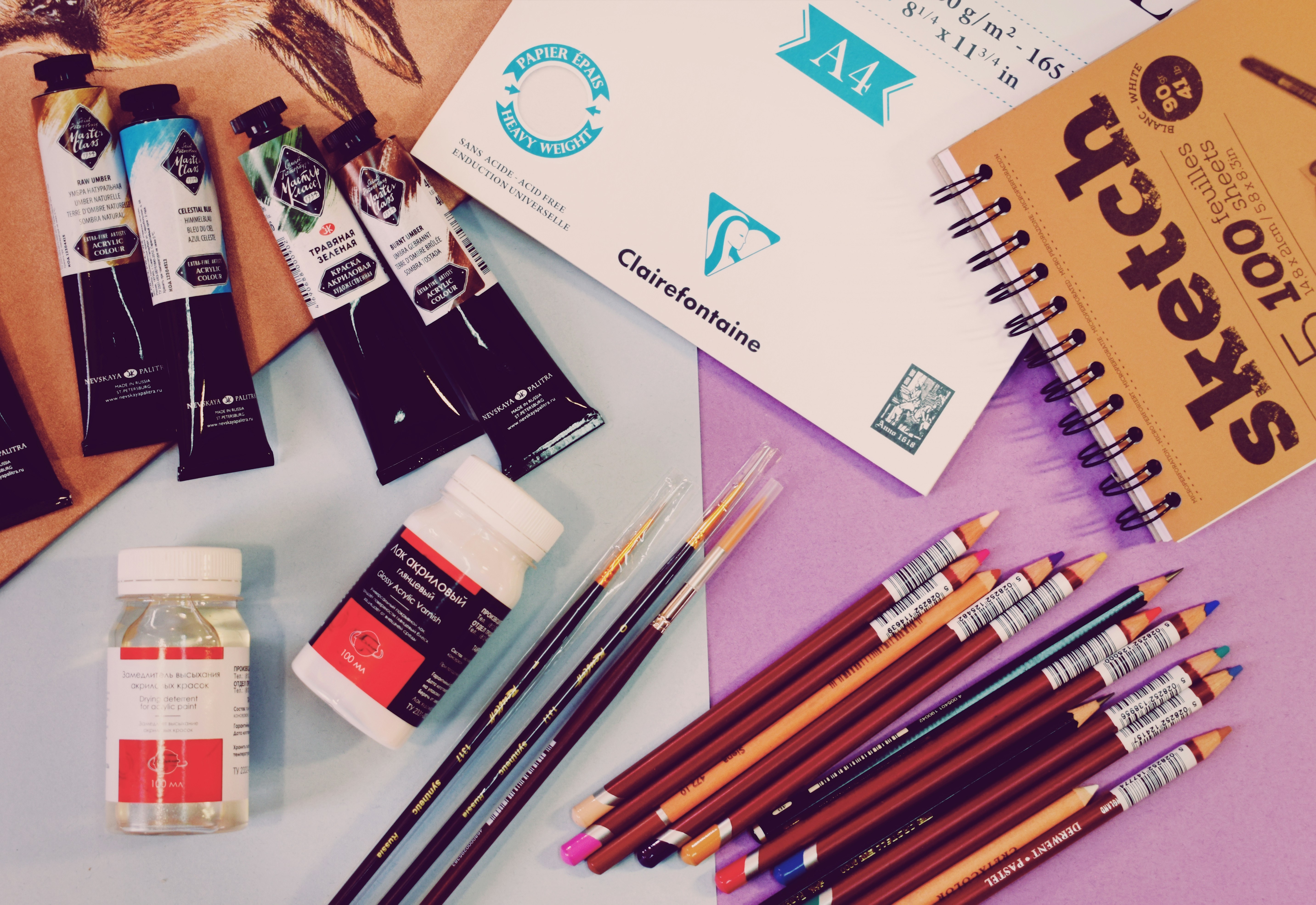
Introduction to Oil Painting Supplies
Oil painting, with its rich textures and vibrant colors, is a beloved medium among artists. To embark on this artistic journey, it is imperative to have the right oil painting supplies at hand. Understanding the essential items not only enhances the creative process but also significantly influences the outcome of one’s artwork.
The foundation of any oil painting lies in the paints themselves. Oil paints are made by mixing pigment with a drying oil, typically linseed oil, which allows for a unique blending and layering experience. They offer a vast range of hues and finishes, giving artists unlimited possibilities to explore their creativity. It is essential to choose quality paints, as the pigment concentration greatly affects the clarity and vibrancy of color. Artists should consider investing in a basic palette comprised of primary colors, along with whites and blacks for mixing.
Another critical component of oil painting is the brushes. Oil brushes come in various shapes and sizes, each designed for specific techniques, such as broad strokes, fine details, and blending. A diverse selection of brushes allows artists to achieve different textures and effects in their work. Selecting high-quality brushes, preferably made from natural hair or synthetic fibers, can enhance the application of paint and ultimately the quality of the artwork.
Canvases also play a vital role in the oil painting process. They provide the surface on which the artist crafts their vision. Available in pre-stretched, canvas boards, or rolls, each offers unique advantages. Artists should consider the texture and weight of the canvas, as it can influence the final appearance of the painting. Using the right canvas ensures proper adherence of oils and enhances the longevity of the artwork.
In summary, having the right oil painting supplies—paints, brushes, and canvases—is essential for any artist aiming to create impactful and vibrant works. Each component contributes uniquely to the painting experience and outcome, setting the stage for artistic expression and creativity to flourish.
Types of Oil Paints
Oil paints have become increasingly popular among artists due to their versatility and rich color potential. One of the first distinctions to understand is between student-grade and artist-grade oil paints. Student-grade paints are usually more affordable but may contain a higher proportion of filler, which can affect the pigment’s vibrancy and consistency. In contrast, artist-grade paints offer a higher concentration of pigments, resulting in more saturated colors and greater longevity. Therefore, when choosing an oil paint, considering the grade can significantly influence the final output of an artwork.
Different brands also contribute to the experience of working with oil paints. Brands such as Winsor & Newton, Gamblin, and Sennelier each offer unique formulations that affect drying times and overall performance. Understanding the nuances of these brands can assist artists in selecting the right tools for their specific needs. For example, some brands are known for their buttery consistency, while others might be preferred for their quick-drying formulas.
Artists should also be mindful of the key characteristics of oil paints, including transparency, drying time, and color mixing possibilities. Transparency refers to the ability of the paint to allow light to pass through, which can create depth in a painting. Drying time varies significantly among oils, impacting working time and layering techniques. Additionally, the ability to mix colors seamlessly is vital for creating desired hues and shades. Thus, artists ought to consider these factors based on their painting techniques and desired outcomes.
Essential Tools and Accessories
When engaging in oil painting, selecting the appropriate tools and accessories is crucial to achieving desired effects and results. Among the fundamental instruments involved are brushes, which come in various shapes and sizes tailored for different techniques and effects. Flat brushes, filbert brushes, and round brushes can each provide unique textures and strokes, making it essential for artists to have a diverse collection to suit their creative needs.
A palette is another essential supply for oil painting, serving as the artist’s mixing surface. There are various types of palettes available, including wood, glass, and plastic options. Choosing the right palette influences how colors are mixed and viewed, as well as affecting the overall workflow. An ergonomic palette allows for ease of use, enhancing the painting experience.
Palette knives are also indispensable in an oil painter’s toolkit. With their flexibility and sharp edges, these tools are perfect for mixing paint, applying thick layers, and creating various textures. They can add dimension and interest to artwork, making them a valuable addition alongside traditional brushes.
Beyond the primary tools, mediums play a pivotal role in the oil painting process. By mixing mediums with oil paint, artists can alter the drying time, texture, and flow of the paint. Popular mediums include linseed oil and stand oil, each offering different characteristics that can enhance the painting technique. Additionally, varnishes are essential for protecting finished pieces, providing a protective layer that also enhances color depth and vibrancy.
Lastly, solvents are necessary for cleaning brushes and thinning paint. Minerals spirits and turpentine are commonly used in oil painting, allowing artists to achieve desired viscosities and maintain brush hygiene. Careful consideration of these solvents is necessary, as their chemical properties can influence the final outcome of the artwork.
Recommended Surface Choices for Oil Painting
When it comes to oil painting, selecting the appropriate surface is crucial for achieving the desired results. Several options are available, each offering unique characteristics that can affect the overall outcome of a piece. The three primary surfaces for oil painting include canvases, wood panels, and specialized paper.
Canvases are perhaps the most popular choice among oil painters. Available in pre-stretched and canvas boards, they provide a textured surface that can hold paint well. The versatility of canvases allows artists to create a wide range of styles from detailed works to more impressionistic pieces. However, canvases may require priming to prevent paint absorption and can be susceptible to wear over time if not properly maintained.
Wood panels offer a sturdy alternative to canvases. They are less likely to warp and provide a smooth surface that is ideal for detailed work. Many artists appreciate the durability of wood, which can last for generations. However, wood must be properly primed, as untreated surfaces can absorb oil and lead to deterioration. Additionally, the weight of wood panels may limit their portability compared to canvases.
For those seeking a more unconventional surface, specialized paper designed for oil painting is an option worth considering. This type of paper is treated to handle the thick consistency of oil paints. While it is typically more economical and lightweight, it may not provide the same level of texture and durability as canvases or wood panels. Artists often use this paper for studies or experimental works.
Choosing the right surface ultimately depends on the artist’s preferred style and technique. Each option offers distinct advantages and disadvantages that can influence both the process and the final piece. It is beneficial for artists to experiment with various surfaces to determine which one aligns best with their artistic vision.