The Master of Light and Color
Claude Monet didn’t just paint what he saw—he painted what he felt. He turned water lilies, haystacks, and foggy mornings into magical moments suspended in time. If you’ve ever stood in front of one of his dreamy landscapes and felt a sense of calm wash over you, you already know: Monet was something special.
Who Was Claude Monet?
Born in 1840 in Paris, Monet is considered the father of Impressionism, a movement that changed the art world forever. In fact, the term “Impressionism” came from one of his paintings, Impression, Sunrise. Critics meant it as an insult—but Monet owned it, and the rest is art history.
While other artists obsessed over detail and realism, Monet was all about atmosphere, movement, and emotion. His goal? To capture light—how it shifts, dances, and colors everything it touches.
What Made Monet’s Style So Iconic?
- Brushstrokes with feeling: His quick, broken brushstrokes look loose up close but become magical from a distance.
- Color over detail: He often painted the same subject at different times of day to study the light. Ever seen his Haystacks or Rouen Cathedral series? They’re all about color, shadow, and mood.
- Nature as muse: Monet was obsessed with gardens, flowers, and reflections. His paintings feel alive—like you can hear the birds and smell the blossoms.
“I must have flowers, always, and always.” – Claude Monet
His Most Famous Works
Here are a few pieces that continue to captivate hearts and minds:
- Water Lilies (Nymphéas) – A series of almost 250 paintings of his pond in Giverny. Soft, dreamy, and meditative.
- Impression, Sunrise – The one that started it all. A quiet harbor scene glowing with morning light.
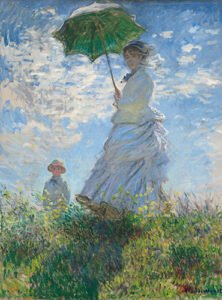
- Woman with a Parasol – A breezy portrait of his wife and son, full of movement and sunshine.
- The Japanese Bridge – Inspired by his own garden, this bridge became a recurring symbol of peace and beauty.
Monet’s Garden: A Living Masterpiece
In his later years, Monet created a real-life work of art—his garden in Giverny, France. Complete with weeping willows, arched bridges, and lily-covered ponds, it became the heart of his creativity. He even had gardeners clean the water lilies to make sure they looked perfect for painting.
If you’re ever in France, it’s worth the pilgrimage.
What Artists Can Learn from Monet
- Trust your eye. Don’t over-polish—let your instincts guide your brush.
- Look around. The best inspiration might be growing in your backyard.
- Observe the light. Every hour brings a different mood.
- Don’t fear repetition. Monet painted the same thing over and over—and still kept it fresh.
Final Thoughts
Monet didn’t just capture the look of nature—he captured the feeling of it. His work reminds us to slow down, notice the little shifts in light and mood, and find beauty in the everyday.
Whether you’re a seasoned painter or just picking up your sketchbook again, channeling a little Monet might be the inspiration you need today. 🌸